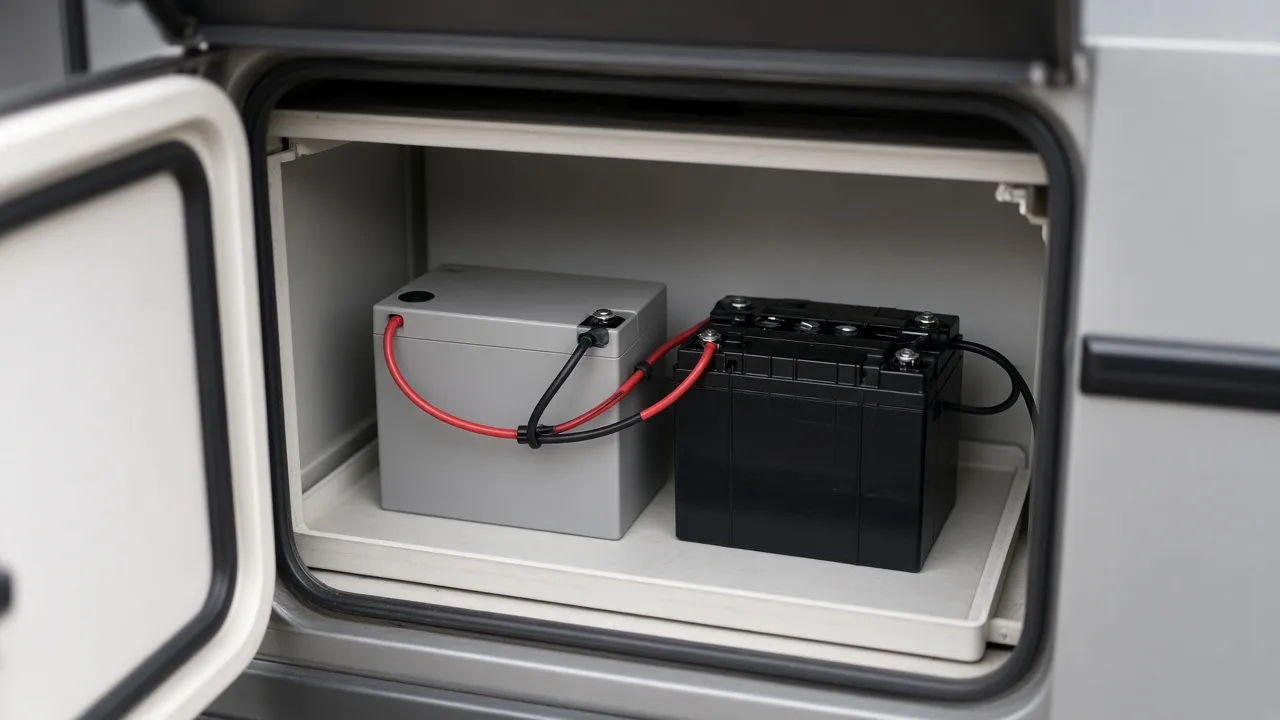
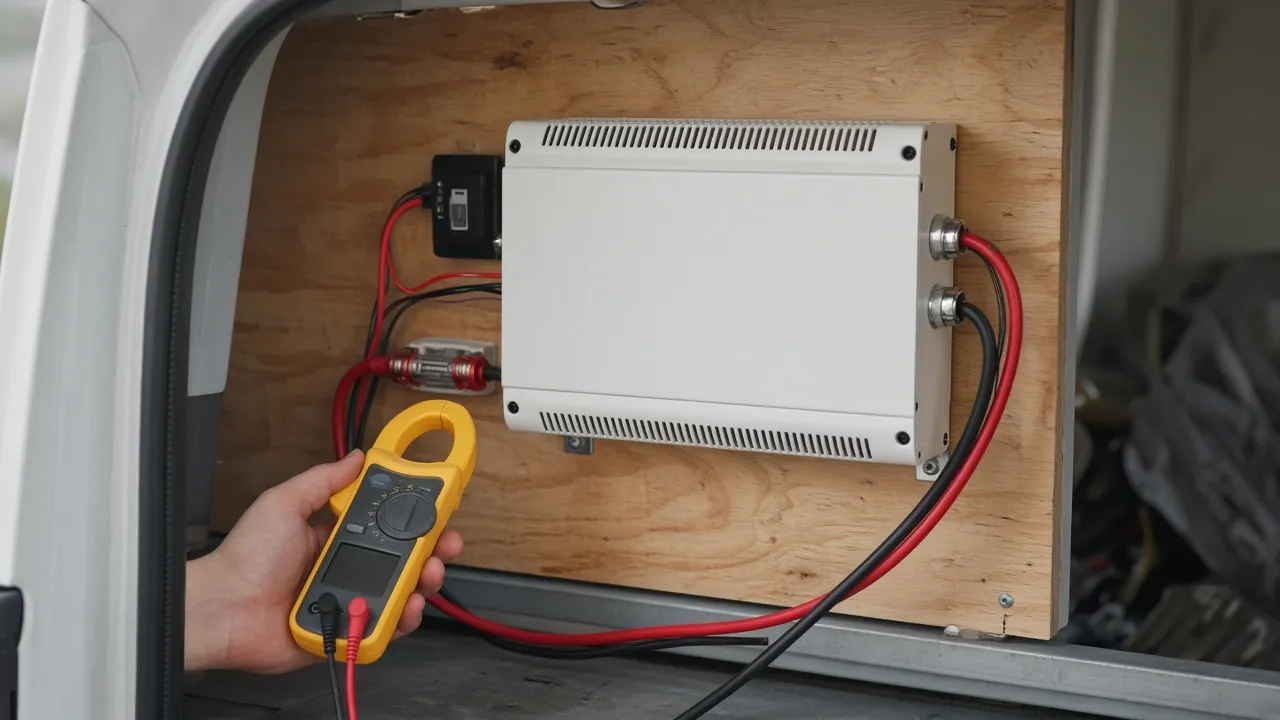
Plenty of solar kits get bought from a roof photo and regretted after the first cloudy weekend. The fix is boring: figure out what your coach uses in a day, then buy the smallest kit that covers it with sun to spare.
We sized every pick below with the same formula the Megawatt solar calculator uses. We haven’t bench tested these kits, so we won’t pretend to rank their build quality. What we can tell you is which size fits which kind of trip.
Our picks
Our pick
400 W solar kit
The right size for most compact rigs, and the easiest kit to grow from.
400 WPanel rating
Why we like it
On a compact rig in summer sun, one 400 W kit covers the calculator's default day of 1,450 Wh (LED lights, a 12 V compressor fridge, a TV, and chargers) with a little left over. Two of them cover a mid-size coach in spring and fall.
Who it’s for
Van, truck camper, and small Class C owners who dry camp on weekends. Also anyone who wants to start with one kit and add a second later.
Flaws but not dealbreakers
It won't keep up with a residential fridge and a big TV setup on its own. Check the listing for what's in the box (charge controller, mounts, cable) and whether that controller can take a second kit.
Budget pick
200 W solar kit
Keeps the batteries topped up while the coach sits. Not enough to live on.
200 WPanel rating
Why we like it
At 4 sun hours, 200 W works out to about 600 Wh a day after losses. That covers the lights, fans, and water pump in both the compact profile (300 Wh) and the mid-size one (500 Wh).
Who it’s for
Owners who mostly stay on hookups or in storage and want charged batteries when they arrive. It's also a good first install before a bigger project.
Flaws but not dealbreakers
It won't run a fridge plus a TV for a weekend. If your daily number comes out above 600 Wh, skip this one.
Upgrade pick
800 W solar kit
Covers a mid-size coach's whole default day in spring and fall.
800 WPanel rating
Why we like it
The mid-size profile (lights and fans, a two-way fridge, two TVs, and laptops) adds up to 2,400 Wh. At 4 sun hours that needs exactly 800 W, so one kit does the job without stacking smaller ones.
Who it’s for
Mid-size Class A and Class C owners who dry camp for more than a weekend, and couples who work from the road.
Flaws but not dealbreakers
It needs a lot of open roof. In winter, with 3 sun hours, the same day needs about 1,070 W, so plan on a generator for the short days.
1180 W solar kit
For luxury coaches. The default luxury day (4,200 Wh with the air conditioning off) needs 1,400 W at 4 sun hours. The calculator rounds that up to two of these or two 800 W kits.
Price is on Amazon, not stored here. Confirm the wattage on the listing before you buy.
Start with your day, not your roof
Your daily watt-hours decide the kit. A watt-hour is one watt used for one hour, so a 100 W TV on for three hours is 300 Wh. The calculator’s three starting profiles are planning numbers Megawatt published, not a measurement of your coach:
Compact: 1,450 Wh a day
Mid-size: 2,400 Wh a day
Luxury Class A: 4,200 Wh a day
Each one assumes the air conditioner is off. Turn it on and the day grows by 3,500 to 11,000 Wh, which no reasonable roof can cover. If you want air conditioning off the grid, you want a generator.
Do the math
Try the math
How much solar does your day need?
Pick a coach, then drag the slider to your own number.
Formula: daily watt-hours divided by (sun hours × 0.75), rounded up to whole kits. It's the same math as the solar array calculator.
The 0.75 is there because panels never deliver their label rating on a hot roof. Heat, wiring, and the charge controller all take a cut. For a real forecast at your ZIP code, try the solar forecast. It applies the same loss to live sunlight data.
Measure before you buy
An RV roof is mostly not roof. Air conditioners, vents, antennas, and the satellite dome eat the flat space, and you need room to walk around the panels.
Get up there with a tape measure and sketch the open rectangles. Compare them to the panel sizes on the Amazon listing. The solar planner draws a roof from your length and width so you can see what fits before you order.
When to hire it out
A single 200 W or 400 W kit is a fair weekend project if you’re comfortable with 12 V wiring. Past that, or if the battery calculator moves you to a 24 or 48 V system, pay someone who does this every week.
CCRV (Cross Country RV Solar) is the solar installer on Megawatt’s partners page. We don’t rate installers, so ask for references the way you would with any contractor. And if any of the wiring makes you nervous, have a certified electrician check the plan before you modify the coach.
Spot something wrong or out of date? Tell us and we'll fix it.
How much of the label you can actually use, what the Megawatt calculator picks for compact, mid-size, and luxury rigs, and where AGM still makes sense.
The dry camping habits from the Fleetwood manual, the one load that ends a quiet night, and the battery and solar we'd pair for two or three nights out.