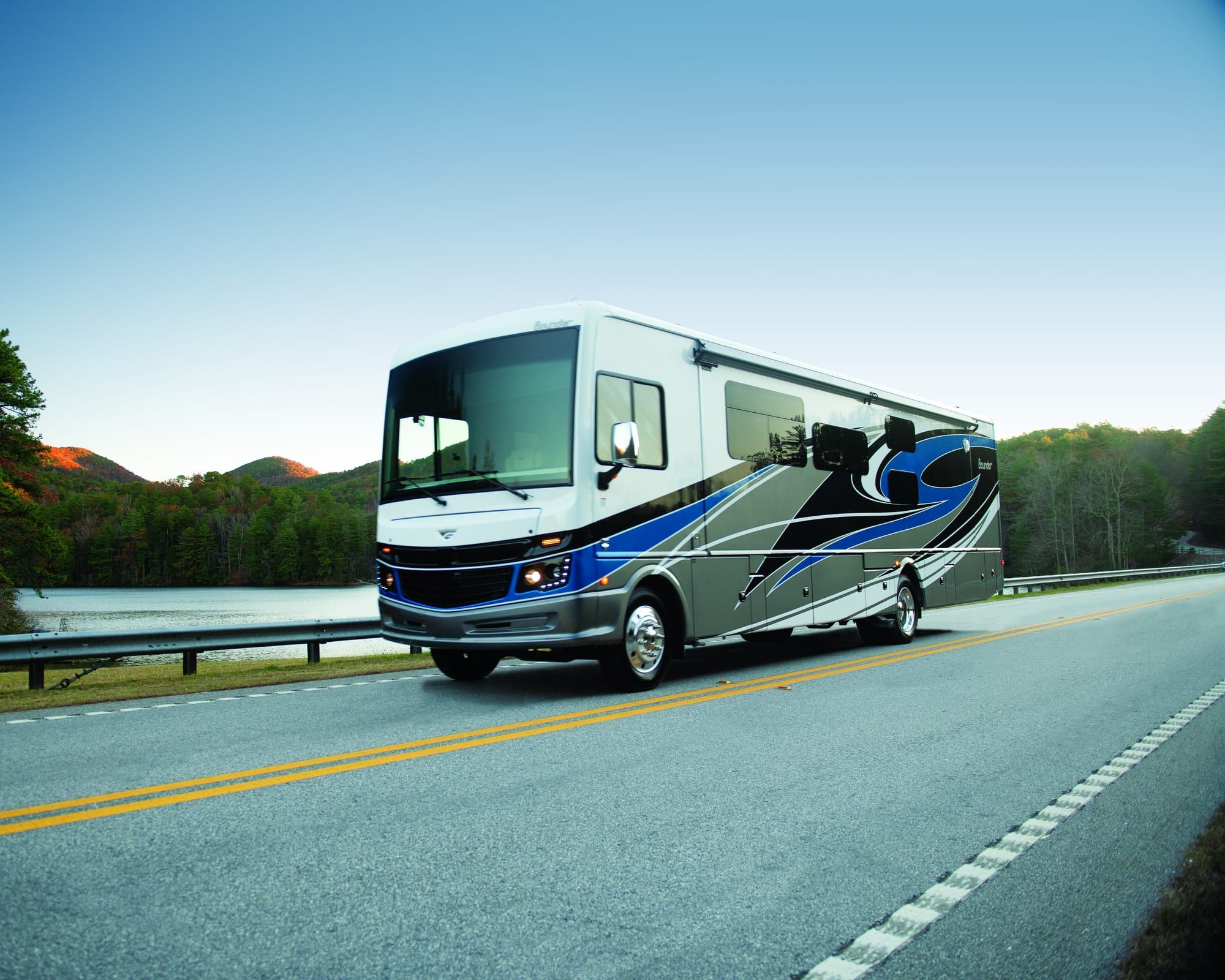
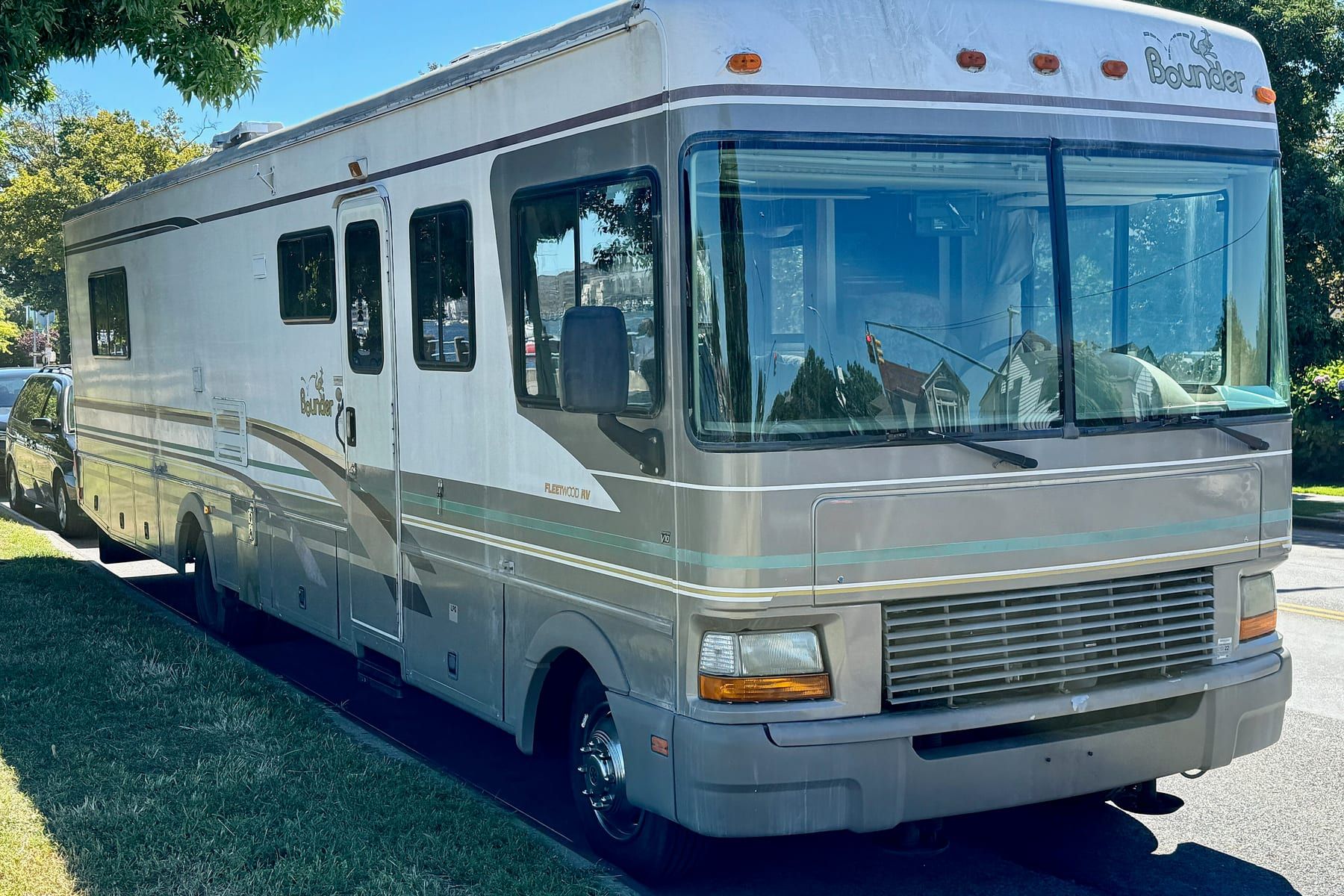
Megawatt RV sizes solar from your roof and the things you actually run, links the official Fleetwood manuals, and points you to the gear Megawatt already recommends. Every number shows its math.
Most solar regret starts with buying panels first. Add up what you run in a day, divide by the sun you can count on, and the array size falls out.
Drag the sliders to see it. The full planner adds the roof layout, the battery bank, inverter and controller sizing, wire gauge, and three build tiers you can take to an installer.
Array watts = daily watt-hours ÷ (sun hours × 0.75 system efficiency), rounded up. It’s the same formula as the Megawatt solar calculator. Roof space, shading, and vents come next in the planner.
How we work
Why you can check every number here
The same four rules apply on every page, from the calculators to the gear picks.
01
The math is on the page.
Calculators use the formulas from the original Megawatt widgets, and the explainers spell them out in plain words. Check our work.
02
Manuals come from the source.
We link Fleetwood and the parts makers directly. Nothing is rehosted, and a year we couldn’t verify goes to the official library, not a guessed PDF.
03
Affiliate links are labeled.
Amazon buttons say so and never show a stored price. They’re the same links the calculators have always used.
04
No invented reviews.
No star ratings, no made-up testimonials, no installer scores. Where the data doesn’t exist yet, the page says so.
Your coach’s manual, from the people who built it.
Pick your model and go straight to Fleetwood’s own library, plus the companies behind your fridge, generator, water heater, and slides. Nothing rehosted, nothing guessed.
The smallest step into lithium on the Megawatt battery calculator.
1,280 WhStored at 12.8 V nominal
Why we like it
About 1,280 Wh covers lights, the water pump, fans, and phone charging overnight. It drops into a 12-volt coach without new wiring.
Who it’s for
Van, truck camper, and weekend owners who mostly stay on hookups and want a lithium house battery without a big first bill.
Flaws but not dealbreakers
It won't carry a residential fridge or a long inverter night on its own. This short link didn't resolve to a product page in our October 2026 check, so confirm the listing before you buy.
Our pick
Vatrer 12V 300Ah
Enough battery for a real night off the grid, still at 12 volts.
3,840 WhStored at 12.8 V nominal
Why we like it
One battery holds about 3,840 Wh, three times the budget pick, and keeps a 12-volt coach at 12 volts. It's the battery in our Fleetwood Bounder solar starter kit.
Who it’s for
Gas Class A and larger Class C owners who dry camp a night or two at a time and run modest inverter loads.
Flaws but not dealbreakers
It costs and weighs a lot more than a single 100Ah battery. Check that your converter or charger has a lithium charging profile before you swap.
Upgrade pick
Vatrer 12V 460Ah
A big 12-volt bank in a single battery.
5,888 WhStored at 12.8 V nominal
Why we like it
About 5,888 Wh, roughly half again our pick, without moving the coach to 24 volts. Fewer batteries means fewer interconnects to get wrong.
Who it’s for
Full-timers and boondockers running a residential fridge, a coffee maker, or long evenings on the inverter.
Flaws but not dealbreakers
At 12 volts, big loads mean big current and heavy cable. The Megawatt calculator moves you to 24 volts past 3,000 W of peak load, so price that path too.
The dry camping habits from the Fleetwood manual, the one load that ends a quiet night, and the battery and solar we'd pair for two or three nights out.
When the sun goes down, the battery is the whole story.
Our boondocking guide pulls the dry-camping habits straight from the Fleetwood manual. The checklists keep arrival and setup on one screen, saved on your phone.